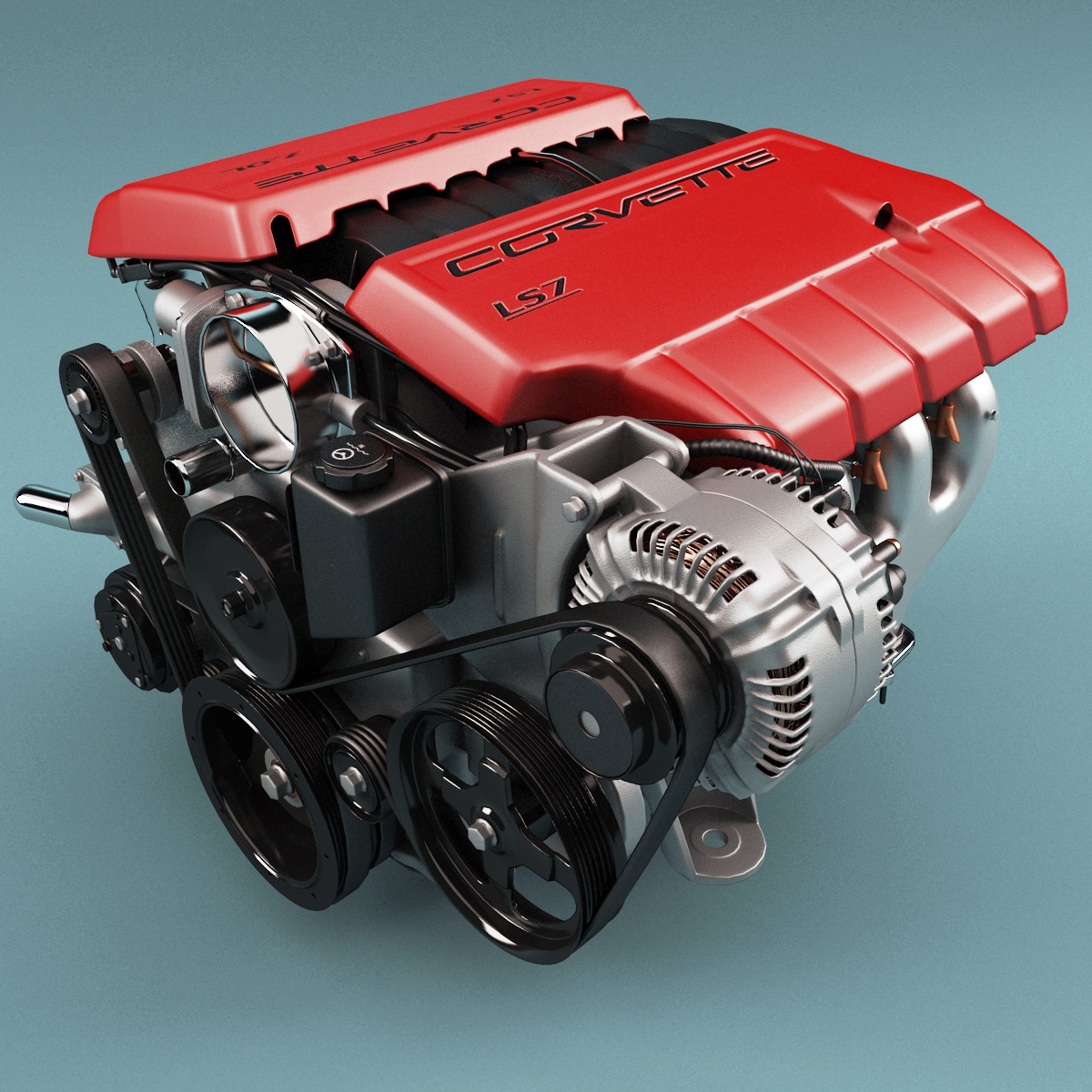
If you’re considering swapping an LS engine into your car, the first and most crucial step is choosing the right engine. With so many options available in the LS family, it can quickly become overwhelming. This guide will simplify the process step by step, helping you select the perfect engine for your project, budget, and performance goals.
1. Know Your Goals
Before diving into engine specifications, ask yourself the following questions:
- Daily driver or weekend toy? Are you looking for reliability for daily use, or are you after maximum power for weekend thrills?
- Budget: How much are you willing to invest in the engine and supporting modifications?
- Power target: Are you seeking a mild LS that’s easy to manage, or do you want a beastly engine that requires upgraded brakes, suspension, and drivetrain?
 Tip: Always plan for supporting upgrades. A high-horsepower LS engine demands a robust transmission, brakes, and suspension.
2. Understand the LS Engine Family
The LS engines represent a modular family of V8s, but each engine differs significantly. Here’s a brief breakdown of some popular options:
| Engine | Displacement | Stock Horsepower | Best Use |
|---|---|---|---|
| LS1 | 5.7L | 350 hp | Classic swap, reliable, affordable |
| LS2 | 6.0L | 400 hp | Daily driver, good balance of power & reliability |
| LS3 | 6.2L | 430-450 hp | High-performance street car, weekend builds |
| LS6 | 5.7L | 405 hp | Older performance engines, may need rebuild |
| LS7 | 7.0L | 505 hp | Track cars, serious builds, expensive |
| LQ4 / LQ9 | 6.0-6.2L truck engines | 345-390 hp | Budget swaps, torque-heavy, widely available |
| LM7 / LM4 | 5.3L truck engines | 285-310 hp | Cheap, easy to find, good for mild builds |
Tip: Truck LS engines are excellent for torque and affordability, but some may require modifications to fit properly in cars.
3. Budget Considerations
Your choice of engine will significantly impact the total swap cost, so keep the following in mind:
- Engine price: Ranges from $500 to $10,000, depending on the model and condition.
- Core vs. crate: Junkyard LS engines are a cost-effective option but may require rebuilds.
- Additional parts: Factor in oil pans, mounts, headers, wiring, ECU, and other accessories.
Example: A junkyard LQ4 might cost around $1,200, while a crate LS3 could be priced between $8,500 and $9,500.
4. Transmission Compatibility
Not every LS engine is compatible with every transmission. Be sure to check:
- Manual vs. automatic compatibility
- Bellhousing patterns
- Torque limits of the transmission
Tip: Many LS owners pair LQ/LM truck engines with a TH350 or 4L80E for budget efficiency, while performance LS engines typically require a 6-speed manual or modern 4L60E/4L70E.
5. Vehicle Fitment
Some LS engines are physically larger or have different accessory setups. Consider the following:
- Hood clearance
- Radiator and cooling configuration
- Exhaust routing
- Power steering and AC compatibility
Tip: The LS1, LS2, and LS3 engines generally fit in most GM cars without significant modifications, whereas the LS7 often requires custom mounts and headers.
6. Reliability vs. Power
When it comes to choosing an engine, consider the following:
- For daily drivers: LS1, LS2, LQ4, and LM7 offer reliability and ease of maintenance.
- For high-performance builds: LS3, LS7, and LS9 provide staggering power but may require frequent maintenance and additional upgrades.
Tip: If this is your first swap, opt for a reliable engine—you can always upgrade later.
7. Aftermarket Support
The LS family boasts extensive aftermarket support, making parts and modifications accessible:
- Intake manifolds
- Camshafts and valve springs
- Exhaust headers
- ECU tuning options
Tip: The more popular the engine, the easier it is to find parts and receive help from the community.
8. Final Decision Checklist
Before purchasing your LS engine, ensure you:
- Know your performance goal and budget.
- Check for transmission compatibility.
- Confirm that the engine will fit your vehicle.
- Factor in the cost of extra parts and upgrades.
- Decide whether to opt for a junkyard core or a crate engine.
By keeping these considerations in mind, you’ll be well on your way to successfully swapping an LS engine into your vehicle. Happy building!
Leave a Reply